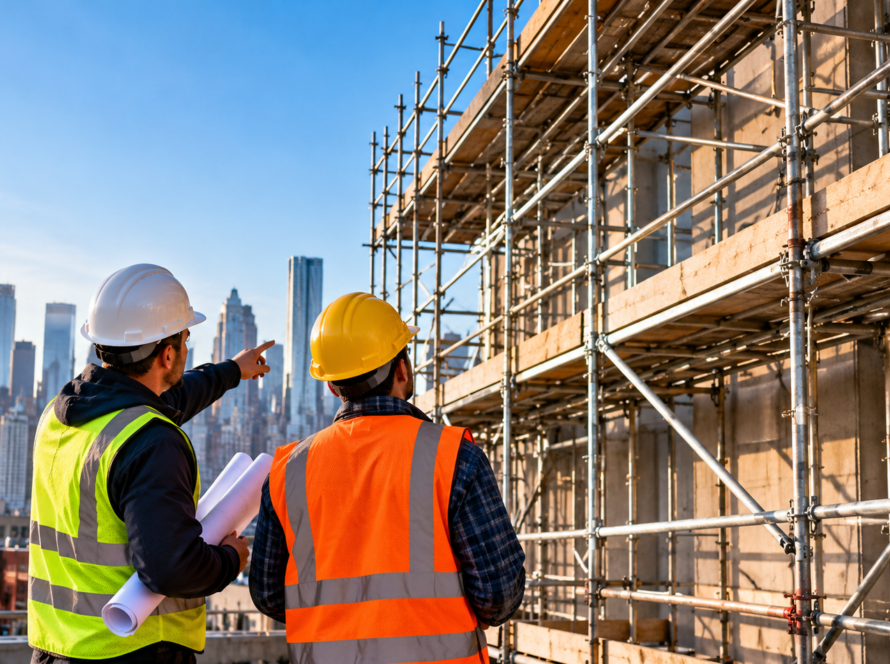
Buildings are constantly exposed to environmental conditions, weather changes, aging materials, and everyday wear and tear. Over time, these factors can weaken structural components and create safety hazards for occupants, pedestrians, and construction workers. While some signs of building deterioration may appear minor initially, ignoring them can lead to serious accidents, expensive repairs, and potential property damage.
Recognizing when a building needs immediate scaffolding support is essential for property owners, contractors, developers, and facility managers. Scaffolding provides safe access for inspections, maintenance, and repair work, while specially designed protective systems can help secure hazardous areas.
For properties experiencing sudden damage or unsafe exterior conditions, Emergency Scaffolding Services In New York can play an important role in protecting people and minimizing risks while permanent repairs are planned.
Let’s explore the major warning signs that indicate a building may require immediate scaffolding support.
1. Visible Cracks in Exterior Walls
Cracks in exterior walls are among the most noticeable signs of building deterioration. Although small hairline cracks may result from normal material movement, larger or expanding cracks can indicate more serious problems.
Pay attention to:
- Wide or rapidly growing cracks in exterior masonry.
- Horizontal cracks along walls.
- Stair-step cracks in brickwork.
- Cracks around windows, doors, and structural openings.
- Sections of plaster, concrete, or masonry separating from the wall.
These conditions should be evaluated by a qualified structural professional to determine their severity and the appropriate corrective measures.
If repairs are required at elevated locations, scaffolding can provide workers with stable access to inspect damaged areas and complete necessary restoration work safely.
2. Falling Bricks, Concrete, or Exterior Debris
Loose building materials are a serious warning sign that should never be ignored. Pieces of brick, concrete, stone, or façade materials falling from a building can cause injuries to pedestrians and damage nearby vehicles or property.
This problem is particularly concerning in busy New York neighborhoods, where sidewalks and surrounding public spaces experience continuous foot traffic.
Some common indicators include:
- Loose bricks or deteriorating mortar joints.
- Concrete fragments falling from balconies.
- Peeling or detached exterior finishes.
- Loose façade panels or decorative elements.
- Visible gaps between exterior building materials.
In such situations, the affected area may need immediate restriction and professional assessment. Depending on the site conditions, emergency scaffolding, sidewalk sheds, protective netting, or other temporary safety systems may be necessary.
Professional Scaffolding Services in NYC can help provide safe access for repair teams and support protective measures while the building’s exterior is being restored.
3. Bulging or Leaning Exterior Walls
Exterior walls should maintain their intended alignment. If a wall appears to be bulging, leaning, or separating from the rest of the building, it could indicate a potentially serious structural issue.
Possible causes include water infiltration, deteriorating masonry connections, foundation movement, or prolonged material deterioration.
Warning signs include:
- Walls visibly bending outward.
- Uneven exterior surfaces.
- Separation between walls and adjoining structures.
- Bulging brickwork or masonry sections.
- Noticeable changes in the building’s exterior alignment.
These conditions require prompt evaluation by a structural engineer. Scaffolding may be required to provide safe access for detailed inspections and repair operations. However, actual structural stabilization must be designed and approved by qualified professionals using appropriate shoring or other engineered support systems.
Early intervention can help prevent further deterioration and reduce risks to surrounding areas.
4. Damage Following Severe Weather
New York experiences different weather conditions throughout the year, including heavy rainfall, strong winds, snow, freezing temperatures, and seasonal storms.
These conditions can gradually weaken building exteriors or cause sudden damage.
After severe weather, property owners should look for:
- Damaged roofing materials.
- Loose exterior panels.
- Broken or displaced masonry.
- Damaged balconies and façade elements.
- Water penetration around windows and exterior walls.
- Detached construction materials.
Storm-related damage may make elevated building surfaces unstable. When hazardous conditions are identified, immediate precautions are necessary.
Emergency Scaffolding Services In New York can help contractors and property managers arrange temporary access and protective systems to address unsafe exterior conditions. A professional assessment helps determine the appropriate solution for each property.
5. Deteriorating Balconies and Building Edges
Balconies, parapets, cornices, and other projecting architectural features are particularly vulnerable to environmental exposure.
Water infiltration, corrosion, freeze-thaw cycles, and aging materials can weaken these components over time.
Look for signs such as:
- Crumbling concrete along balcony edges.
- Rust stains near metal reinforcement.
- Loose balcony railings.
- Cracked parapets and cornices.
- Deteriorating masonry around projecting structures.
These problems can become dangerous because damaged materials may fall from elevated sections of the building.
Professional inspection and timely repairs are essential. Scaffolding provides workers with controlled access to elevated areas, while sidewalk shed bridges and other protective installations can help safeguard pedestrians during necessary construction activities.
6. Unstable or Damaged Existing Scaffolding
Sometimes, the building itself is not the only concern. Existing scaffolding can also become a safety hazard if it is damaged, improperly maintained, or affected by severe weather.
Warning signs include:
- Missing or damaged scaffold components.
- Loose connections and fittings.
- Unstable platforms.
- Damaged guardrails.
- Improper anchoring or visible movement.
- Overloaded working platforms.
Workers should stop using any scaffold suspected of being unsafe until it has been inspected by a competent professional and made safe.
In these circumstances, emergency scaffolding assistance may be required to secure the affected area, assess the installation, and arrange appropriate corrective work.
Regular inspections and professional installation are essential for maintaining safe construction access.
7. Water Damage and Deteriorating Building Materials
Water infiltration is another major reason buildings may require urgent inspection and repair.
When moisture enters exterior walls, it can weaken mortar, damage concrete, corrode reinforcement, and contribute to deterioration of façade materials.
Common warning signs include:
- Water stains on exterior walls.
- Peeling paint and damaged finishes.
- Crumbling mortar between bricks.
- Rust marks around concrete structures.
- Repeated leaks near windows and balconies.
- Visible deterioration after freeze-thaw cycles.
If water damage affects elevated exterior sections, scaffolding can help provide safe access for inspection, waterproofing, and restoration work.
Addressing moisture problems early can prevent minor deterioration from developing into more expensive building repairs.
Why Immediate Scaffolding Support Matters
Delaying action when a building shows signs of deterioration can increase the risk of injuries, property damage, and construction complications.
Timely scaffolding arrangements offer several important advantages:
1. Improved Site Safety: Appropriate scaffolding and protective systems help create safer working conditions for construction professionals and pedestrians.
2. Better Access to Damaged Areas: Scaffolding provides access to elevated walls, balconies, roofs, and other difficult-to-reach building components.
3. Efficient Repair Work: Proper access systems allow contractors to inspect and repair damaged areas more effectively.
4. Pedestrian Protection: Sidewalk sheds and protective structures help safeguard people passing near buildings undergoing repair or construction.
5. Support for Emergency Response: Temporary safety installations can help contractors and property owners address hazardous conditions while permanent repairs are organized.
How A&H Installations Helps Address Emergency Scaffolding Requirements
When building safety becomes a concern, working with an experienced scaffolding contractor is essential.
A&H Installations provides scaffolding and construction access solutions for residential, commercial, and industrial projects across New York and the surrounding Tri-State area.
The company focuses on safe, reliable, and efficient installations, helping contractors, property owners, and developers manage different construction requirements.
Its emergency response services are designed to address hazardous site conditions through solutions such as:
- Rapid site assessments.
- Emergency scaffolding installation.
- Sidewalk shed bridges.
- Temporary pedestrian protection.
- Structural stabilization solutions.
- Safety netting systems.
- Ongoing support until permanent repairs can be completed.
In addition to emergency solutions, A&H Installations offers pipe scaffolding, personal and material hoists, and sidewalk shed systems.
With an emphasis on professional installation, quality equipment, safety compliance, and dependable service, the company works to help keep construction projects safe and moving forward.
What Should You Do If Your Building Shows Signs of Structural Damage?
If you notice visible building deterioration, taking the right steps immediately can help prevent the situation from becoming more dangerous.
Here are some important precautions:
- Restrict access to hazardous areas: Keep occupants and pedestrians away from locations where materials may fall.
- Avoid touching damaged structures: Do not attempt to remove loose bricks, concrete, or other unstable materials yourself.
- Arrange a professional inspection: Contact a qualified structural engineer or building professional to evaluate the condition.
- Contact a scaffolding contractor: Discuss suitable temporary access and protective systems for the affected property.
- Follow applicable safety requirements: Ensure that installation, inspection, and repair activities comply with relevant New York City building and construction safety regulations.
Remember, scaffolding provides access and protection, but it does not automatically resolve underlying structural problems. Any required shoring or structural stabilization must be appropriately engineered.
Conclusion
Building deterioration should never be overlooked, especially when it involves loose masonry, falling debris, bulging walls, damaged balconies, or unstable exterior structures. Recognizing these warning signs early can help property owners and contractors take appropriate action before conditions become more dangerous.
Whether you are managing a residential property, commercial building, or active construction site, having the right scaffolding and protective systems is essential for maintaining a safer working environment.
A&H Installations offers dependable scaffolding, hoist, sidewalk shed, and emergency response solutions to support construction safety across New York and the surrounding Tri-State area.
Need reliable Emergency Scaffolding Services In New York? Contact A&H Installations today to discuss your project requirements and find the right construction access and safety solutions for your building. Visit our website to learn more about our services and request a consultation.